Park History & Indigenous Heritage
Discover the ancient Tairona civilization, colonial struggles, archaeological ruins, and the spiritual guardianship of the modern indigenous peoples.
Pre-Columbian Roots: The Great Tairona Civilization
Long before Parque Tayrona was designated a national reserve, it was the heartland of the Tairona civilization, one of the most advanced pre-Columbian societies in South America. Flourishing between 200 AD and 1600 AD, the Taironas settled the coastal inlets and the dramatic, vertical slopes of the Sierra Nevada de Santa Marta. Unlike many of their contemporaries, the Taironas were master stone engineers, constructing cities on steep slopes using stone-retaining walls, terraced farming platforms, paved roads, and complex rainwater drainage channels designed to prevent erosion during heavy tropical rains.
Major archaeological complexes like Pueblito Chairama and Ciudad Perdida (The Lost City) are testaments to this architectural ingenuity. Chairama, located inside the park, served as a bustling trading center where coastal products (fish, salt, and shells) were exchanged for inland goods (cotton, corn, and gold). The Taironas were also renowned for their metallurgy, crafting delicate gold ornaments, nose rings, and breastplates that symbolized spiritual authority.
The Spanish Conquest and Retreat
The arrival of Spanish colonizers in the early 16th century marked the beginning of the end for the coastal Tairona towns. Despite fierce resistance that lasted for nearly a century, the combination of superior Spanish weapons and devastating European diseases decimated the indigenous populations. The survivors abandoned their coastal trading hubs and retreated high into the isolated peaks of the Sierra Nevada de Santa Marta. This steep, rugged mountain barrier acted as a natural shield, allowing them to protect their language, culture, and ancient spiritual traditions from colonial assimilation.
The Modern Descendants: Spiritual Guardians of the Sierra
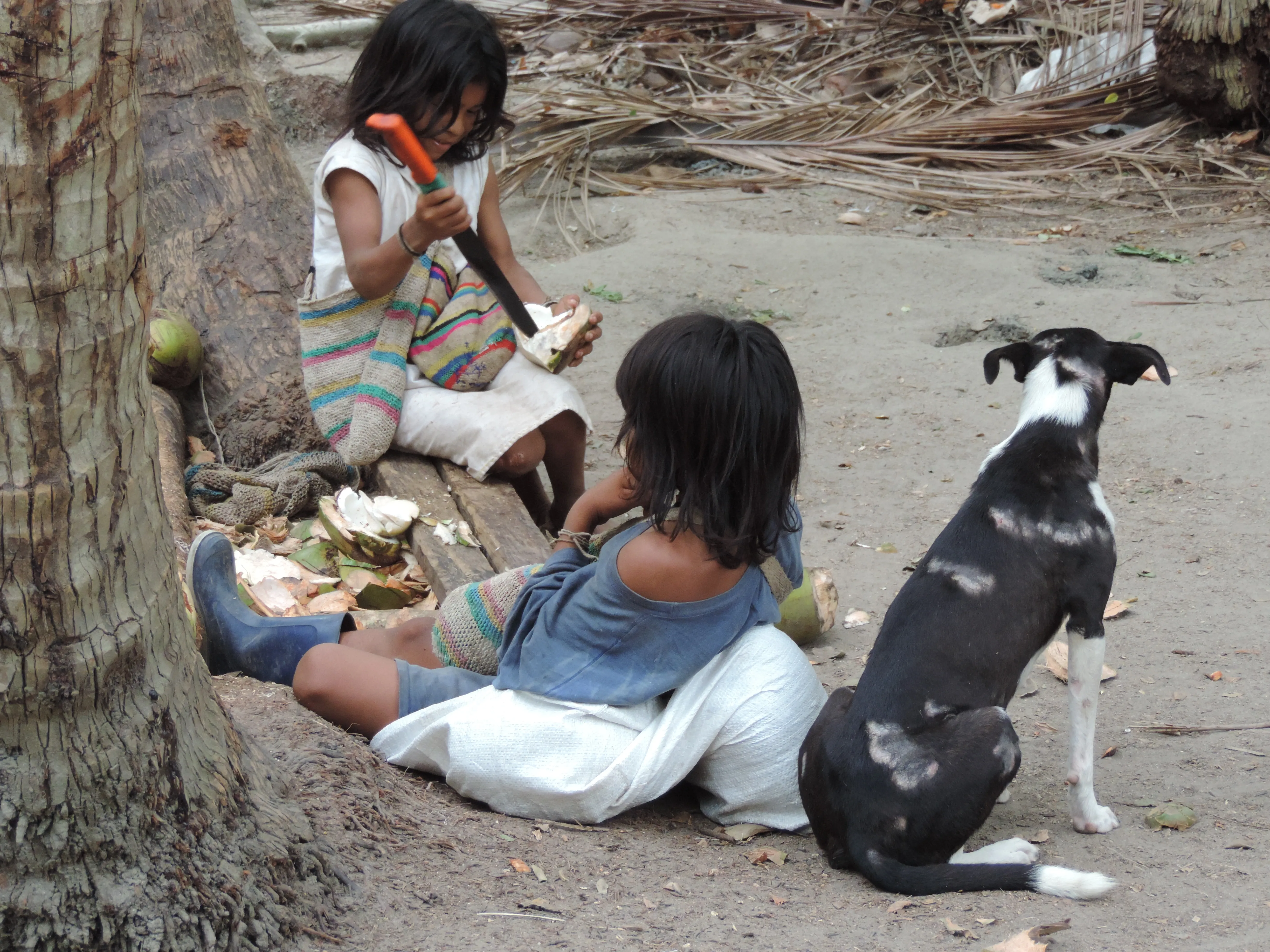
Today, four distinct but closely related indigenous groups live in the Sierra Nevada de Santa Marta and govern the park’s sacred ancestral lands: the Kogui (Cogui), Wiwa, Arhuaco, and Kankuamo. These communities refer to themselves as the ‘Elder Brothers’ (Hermanos Mayores) and consider modern society to be the ‘Younger Brothers’ (Hermanos Menores) who have lost touch with the natural world.
The indigenous groups view the mountains and beaches of Tayrona as a living, sacred entity. Every inlet, rock, and river mouth has a spiritual purpose. They practice Pagamento—offerings of cotton, shells, and quartz to the Earth Mother (Aluna) to maintain balance and repay nature for what humans consume. Mamos, the spiritual leaders who undergo decades of isolated training, guide these ceremonies and maintain final veto power over park administration decisions.
‘Tayrona Respire’: The Seasonal Closures
To honor this spiritual connection and allow the ecosystem to recover from human tourism, the park undergoes three mandatory closures annually. Known as Tayrona Respire (Tayrona Breathes), these periods occur from February 1 to 15, June 1 to 15, and October 19 to November 2. During these times, no tourists are permitted inside the park. The indigenous communities perform spiritual cleansing rituals, and park rangers monitor the dramatic recovery of wildlife and ecosystems, which see howler monkeys, jaguars, and rare birds return to the tourist trails. The territory was officially declared a National Natural Park in 1964 by the Colombian government, establishing strict preservation mandates.
Gallery & Visual Highlights
Explore these high-resolution captures of Tayrona National Park relating to this chapter:
-
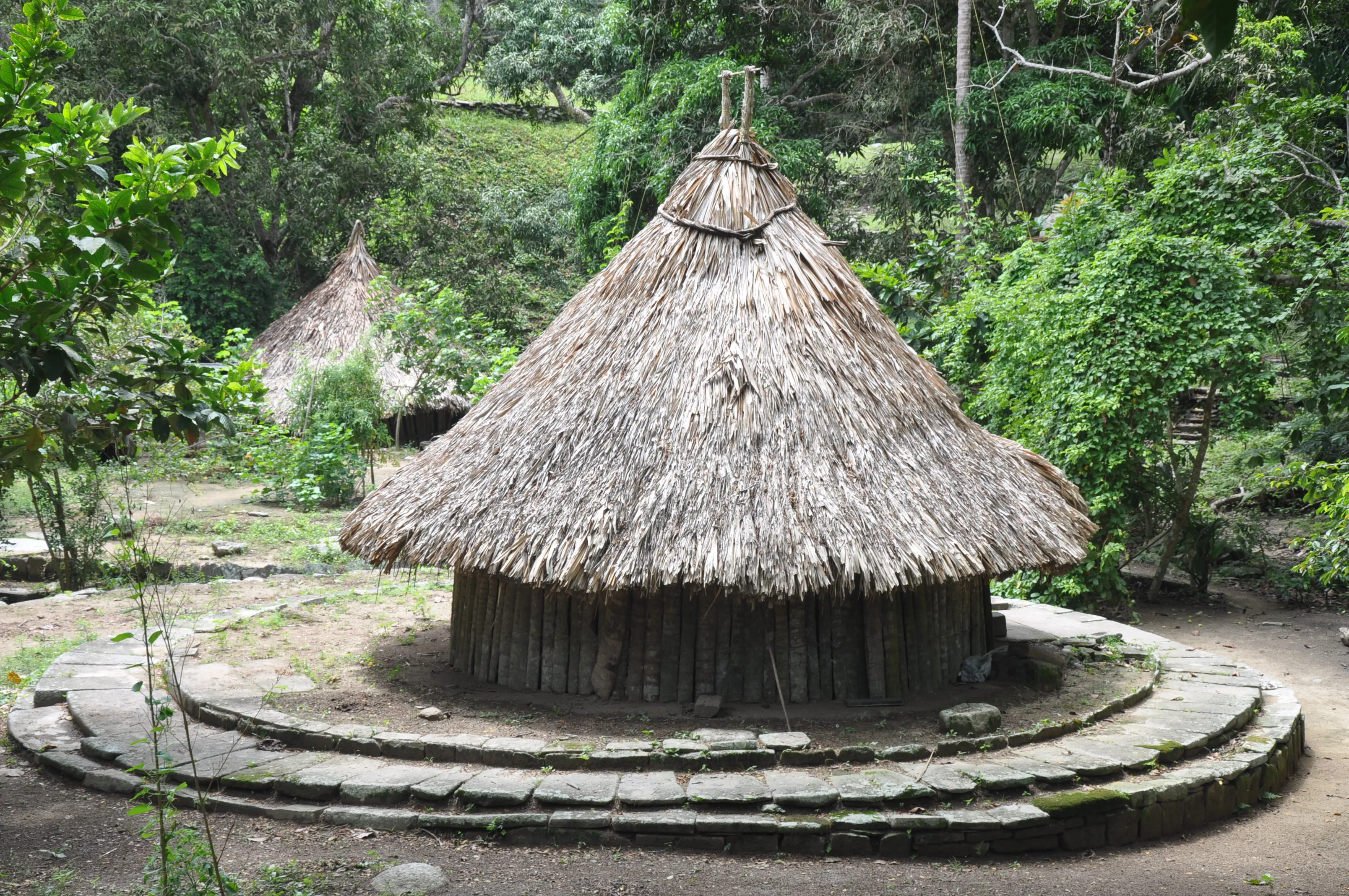
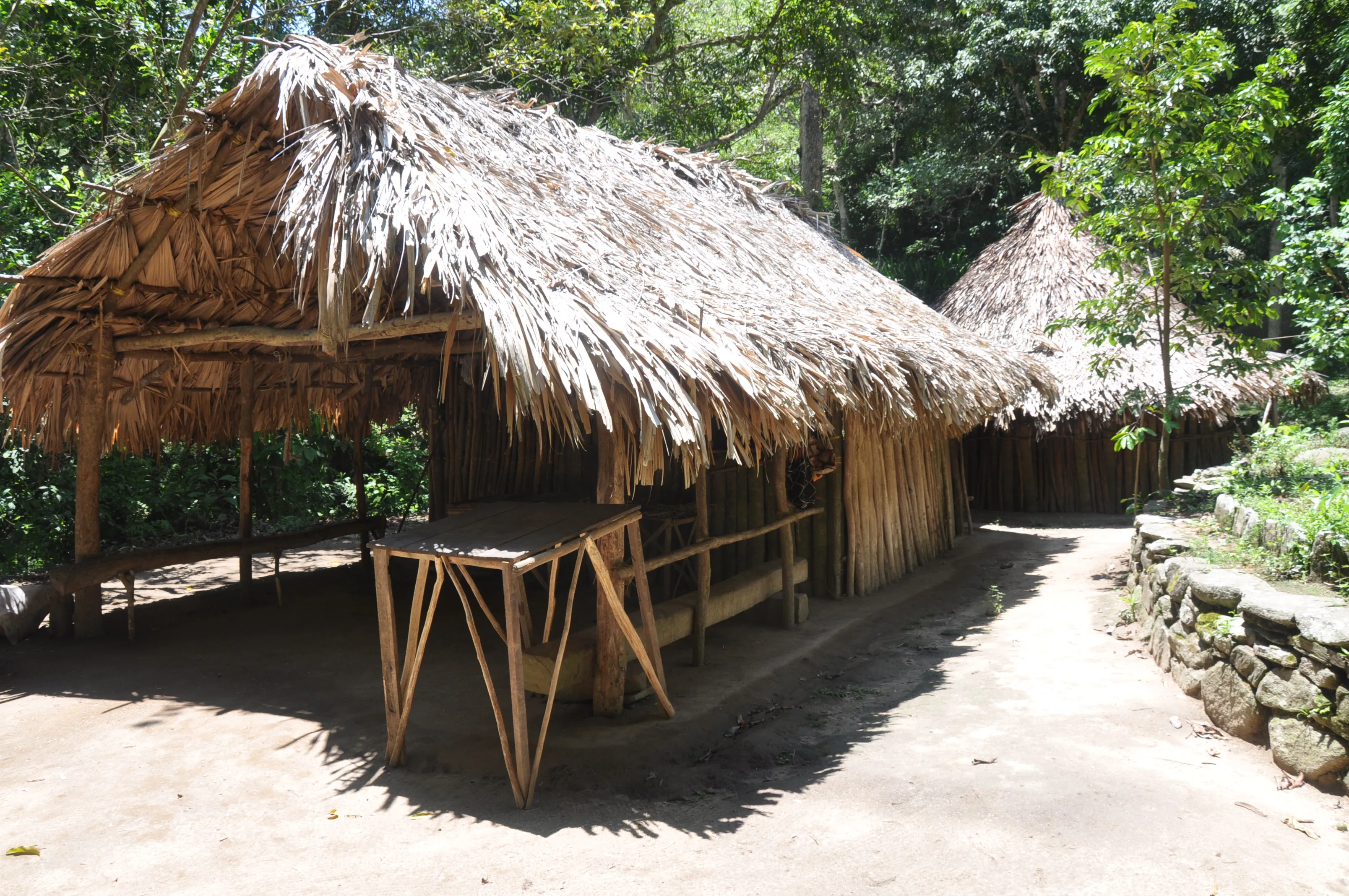
Traditional Indigenous Huts in Pueblito:
-
Sacred Stone Paths of the Tairona Civilization:
-
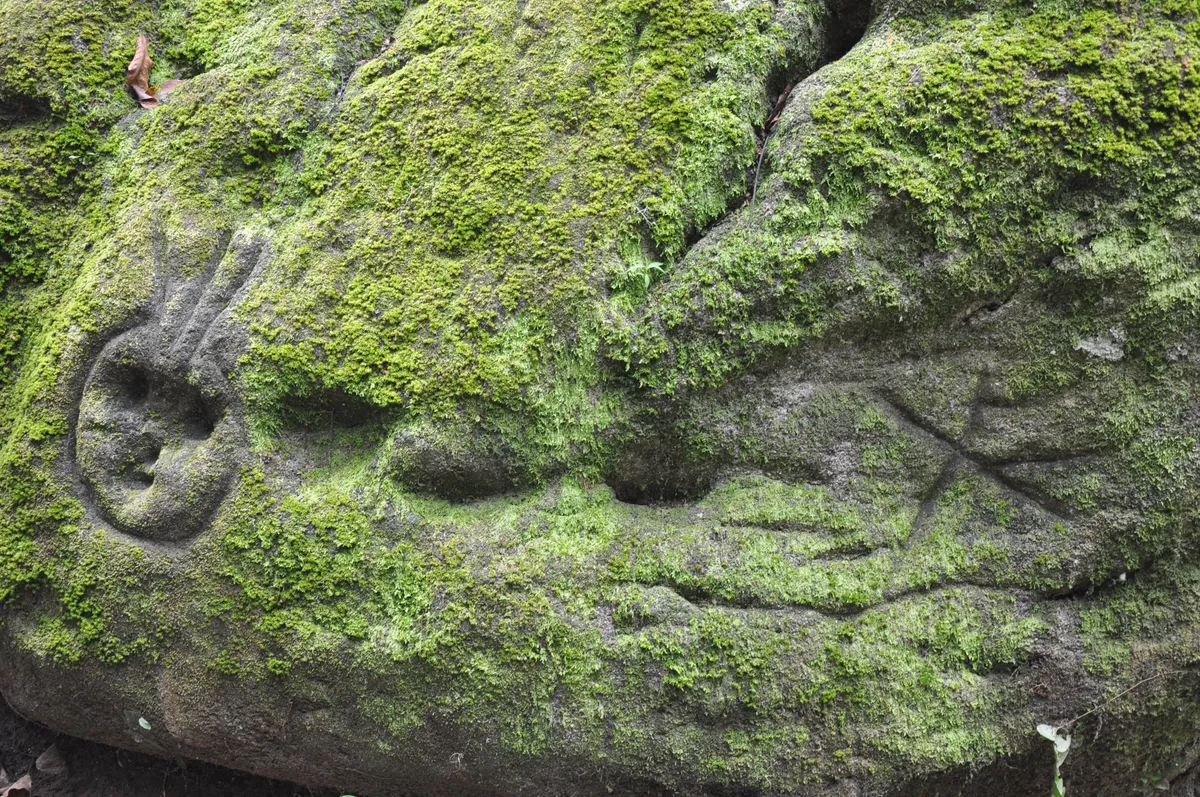
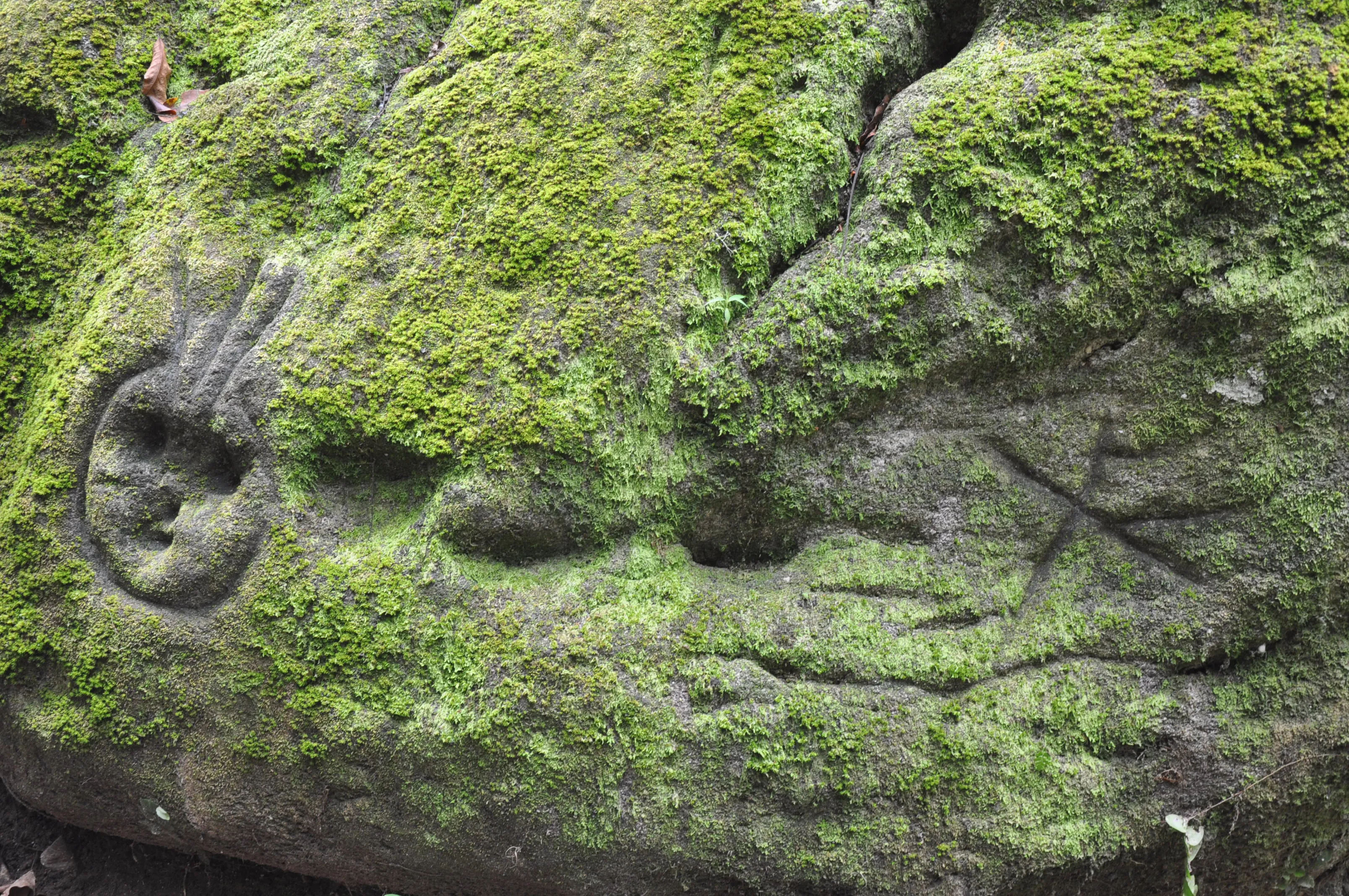
Carved Symbols of the Ancient Tairona:
-
Indigenous Children in Traditional Attire: